Perfecting the art of espresso brewing
Ninety-nine years in Florence, and almost every part of the modern espresso machine traces back to one workshop.
I was watching a video about La Marzocco last night. I expected a story about craftsmanship. I got a story about engineering — a century of one company deciding, over and over, that espresso could be better.
Two brothers and a lion
Giuseppe Bambi was a craftsman in Florence. In the 1920s he built a few machines for a client, then decided to build his own. In 1927, with his brother Bruno, he founded Officina Fratelli Bambi. They designed the machines, made every part, assembled them, sold them. Every sale was a small victory, so he named the company after the Marzocco — the seated lion holding the Florentine lily, the city’s symbol of triumph.
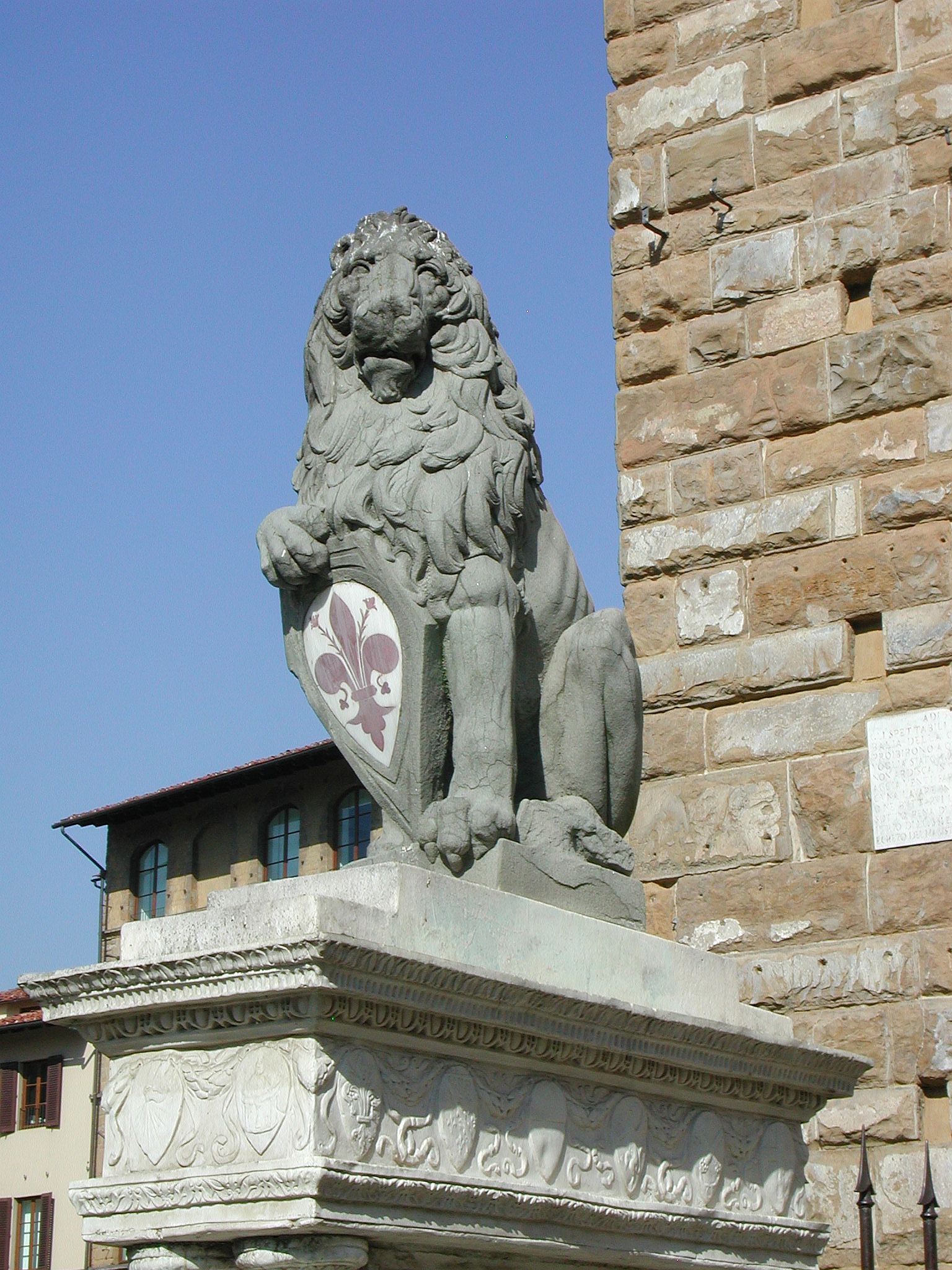
It stayed small. It’s still small. That never stopped it.
The boiler goes horizontal
In 1939 Giuseppe patented the horizontal boiler. Every machine before that stood upright, heated unevenly, and pulled inconsistent shots. Lay the boiler down, spread the heat, and suddenly you can put several groups on one machine and have them all behave the same way. Every commercial espresso machine built since then is built like that.
The war stopped production. It didn’t stop the thinking. When they came back in the 1950s it was with lever machines, and by 1968 Giuseppe’s Vulcano grinder was winning design prizes at the Milan Triennale.
The boiler splits in two
In 1970 they did it again with the GS. Two separate boilers — one for steam and hot water, one for brewing — so frothing milk no longer wrecks the temperature of your next shot. And the group heads welded straight onto the brew boiler, water circulating through them constantly, so the group is always at the right temperature before the portafilter locks in. Gruppo saturo. Saturated group. That’s what GS stands for.
Every La Marzocco since carries both. Most of the industry followed.
Refinement is the hard part
Giuseppe’s son Piero designed the Linea in 1987 — the first machine he built from scratch, made for busy bars that refused to compromise. It became the machine you see in every serious café.
Then the 2000s. PID temperature control. The GS3 in 2007, a one-group machine with full commercial guts, small enough for a kitchen. The mechanical paddle brought back for soft pre-infusion. The Strada in 2009, the first machine with pressure profiling, designed with a panel of baristas telling the engineers what they actually needed. The Linea Mini in 2015, the same idea shrunk again.
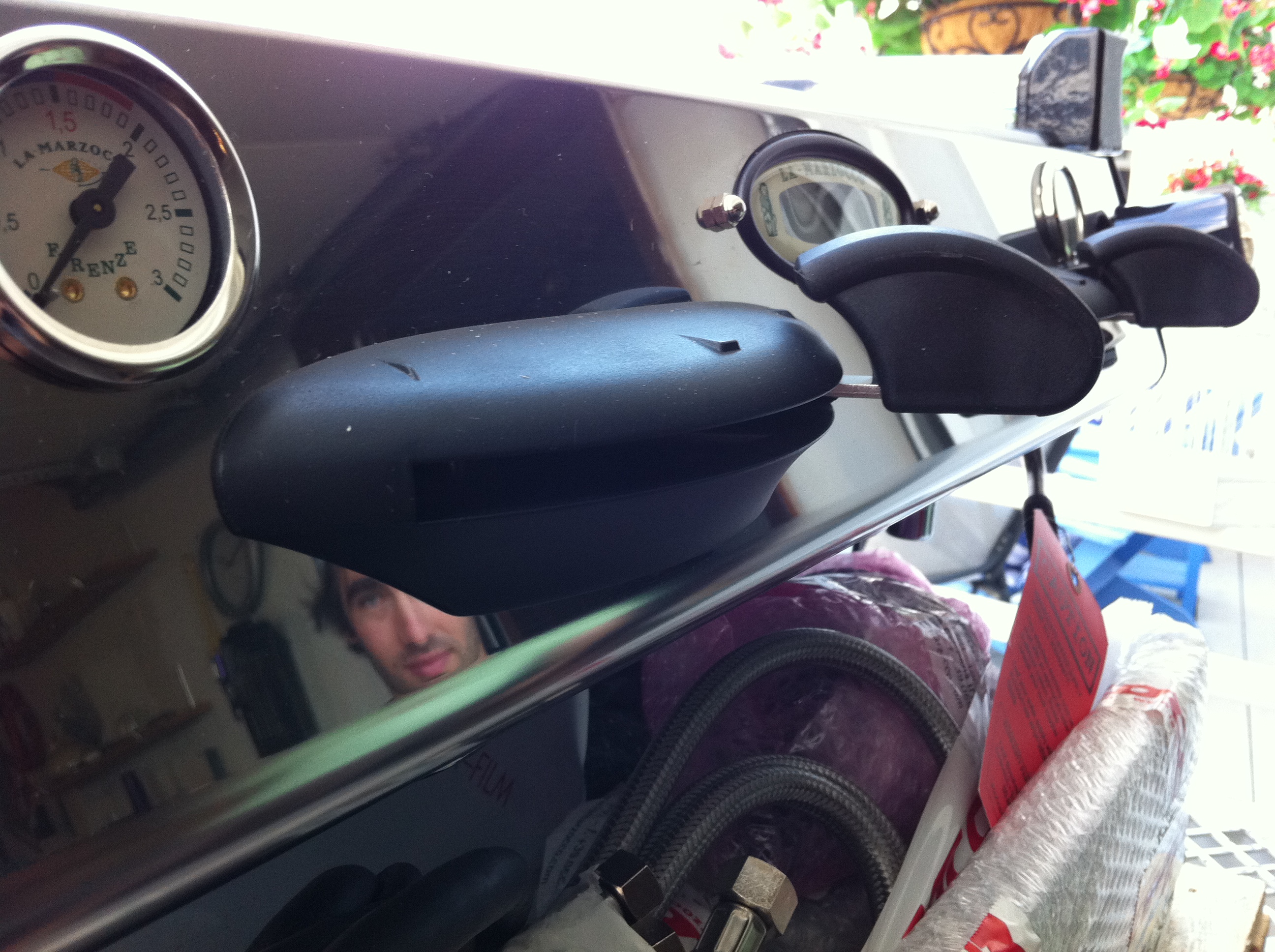
Others had one good idea. Gaggia had the lever. Faema had the E61. La Marzocco had a habit.
The art is in the shot
Espresso is unforgiving. A degree of temperature, a second of extraction, a gram of coffee, and the cup changes. Most of what makes a great shot is invisible to the person drinking it. It’s the boiler that doesn’t drift. The group that’s already at temperature. The steam that doesn’t steal heat from the brew. The pressure curve that matches the bean.
La Marzocco spent a hundred years removing the machine from the equation, so the only thing left in the cup is the barista and the coffee.
Good is quiet. Nobody walks into a café and notices the boiler layout. They just notice the espresso is right, every time, and never ask why.
